4 Oct 2026
Regulatory Licensing and Secure Transaction Mechanisms in Parisian-Inspired Mobile Gaming Environments
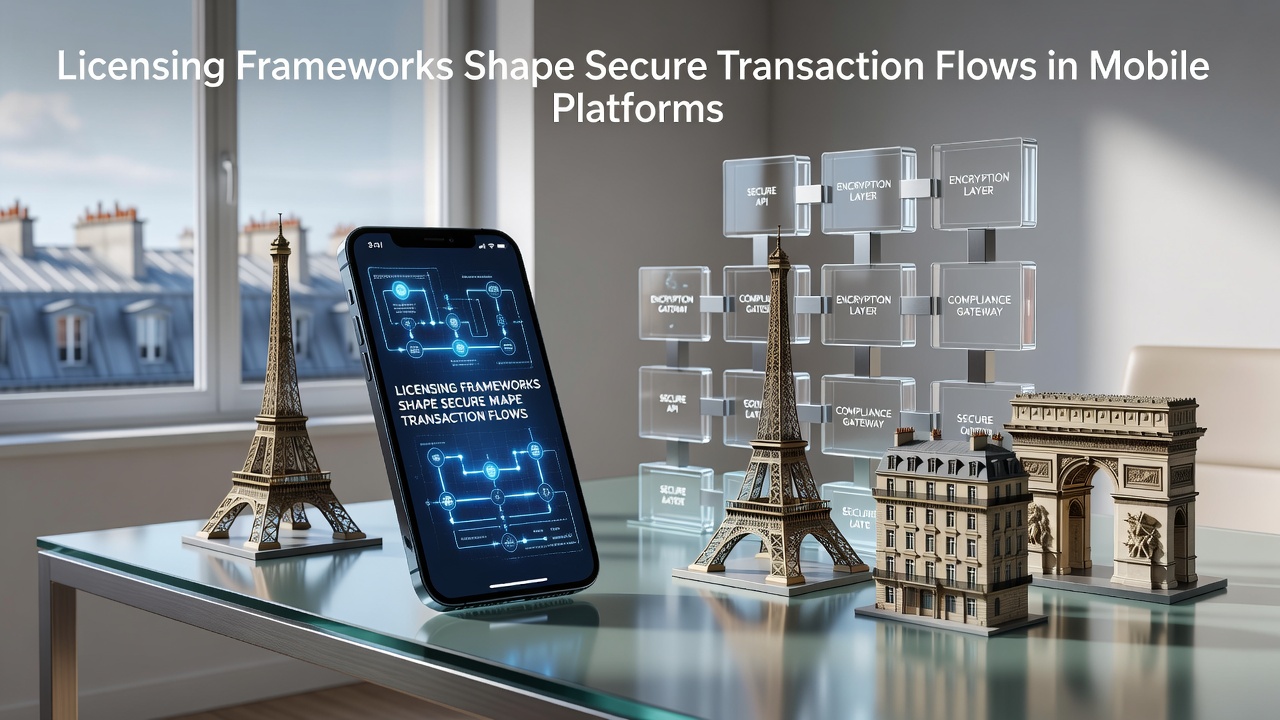
Regulatory licensing frameworks establish the foundation for secure transaction flows across mobile gaming platforms that incorporate design elements inspired by the French capital, and these structures require operators to implement specific technical controls that protect user data during every payment cycle. Licensing authorities in multiple jurisdictions mandate encryption standards, identity verification protocols, and audit trails that directly influence how funds move through applications featuring motifs such as the Eiffel Tower, Seine riverbanks, and Haussmann-style architecture. Data from the European Commission shows that licensed operators must maintain transaction integrity through multi-factor authentication and real-time monitoring systems that flag anomalies before they affect account balances.
Core Components of Licensing Requirements
Licensing bodies across the European Union and Australia enforce rules that tie operational approvals to demonstrated security capabilities, and these rules apply equally to platforms that use Parisian visual themes in their user interfaces. Operators must demonstrate compliance with standards for payment gateway integration, data storage encryption, and regular penetration testing, which creates consistent transaction pathways that reduce exposure to unauthorized access. Research conducted by the Australian Communications and Media Authority indicates that platforms meeting these benchmarks process payments with lower incident rates because the licensing process itself filters out systems lacking sufficient safeguards.
Technical specifications within licenses often reference ISO 27001 certification alongside jurisdiction-specific guidelines, and compliance teams at licensed companies integrate these requirements into their mobile application development cycles from the initial design phase. One study of European mobile gaming operators revealed that those holding active licenses completed security audits at least twice annually, which allowed them to maintain uninterrupted transaction services even when new threat vectors emerged in the broader digital payments landscape.
Transaction Flow Architecture Under Licensed Conditions
Licensed mobile platforms route transactions through segregated payment processors that separate user funds from operational accounts, and this separation is a direct outcome of licensing conditions that prohibit commingling of assets. The process begins with user authentication via biometrics or PIN, followed by tokenization of payment details before any data reaches the application server. Observers note that platforms featuring French capital-inspired graphics still adhere to identical backend protocols because licensing frameworks prioritize functional security over visual presentation.

Real-time reconciliation mechanisms required by licenses enable operators to detect discrepancies within seconds, and these systems generate reports that regulatory staff review during scheduled inspections. Figures released by the French Autorité Nationale des Jeux demonstrate that platforms operating under active licenses achieved settlement accuracy rates above 99.8 percent in the most recent reporting period, which covers transaction volumes processed through mobile channels during 2025 and early 2026.
Integration of Design Themes with Compliance Standards
Developers incorporate Parisian-inspired elements such as stylized metro maps for navigation menus and art-nouveau fonts for balance displays, yet these visual choices remain independent of the security layers that licensing frameworks dictate. The separation ensures that aesthetic decisions do not compromise the cryptographic protections or access controls that govern fund movements. Experts at research institutions have documented cases where themed interfaces underwent additional usability testing to confirm that users could still complete verification steps without confusion, thereby preserving both engagement and compliance.
October 2026 marks the scheduled implementation date for updated EU digital services regulations that will require licensed mobile gaming platforms to adopt enhanced cross-border transaction reporting standards, and operators are already aligning their systems with the forthcoming requirements through phased software updates. These changes build on existing licensing conditions rather than replacing them, which means platforms featuring French capital motifs will continue to operate under the same core security mandates while adding new reporting interfaces for regulatory oversight.
Comparative Approaches Across Jurisdictions
Licensing models in France emphasize pre-approval of payment processors, whereas Australian frameworks focus on post-launch audits that verify ongoing adherence to transaction security benchmarks, and both approaches produce measurable reductions in fraud attempts according to aggregated industry data. Mobile platforms that operate in multiple regions maintain separate license portfolios, each dictating specific configurations for encryption key management and user fund segregation. Those configurations remain consistent regardless of the thematic overlays applied to the front-end experience.
Industry reports from academic research centers highlight that licensed operators invest between 12 and 18 percent of their technology budgets in compliance-related infrastructure, and this allocation supports the continuous monitoring tools that underpin secure transaction flows. teh investment yields documented benefits in the form of fewer service interruptions and faster resolution of any payment discrepancies that arise during peak usage periods.
Conclusion
Licensing frameworks continue to define the parameters within which secure transaction flows operate on mobile platforms that draw visual inspiration from the French capital, and the resulting systems deliver consistent protection across varied thematic presentations. Regulatory updates scheduled for October 2026 will further standardize reporting requirements without altering the fundamental security architecture already embedded in licensed operations. Data from multiple jurisdictions confirms that these frameworks correlate with measurable improvements in transaction reliability and user fund protection.